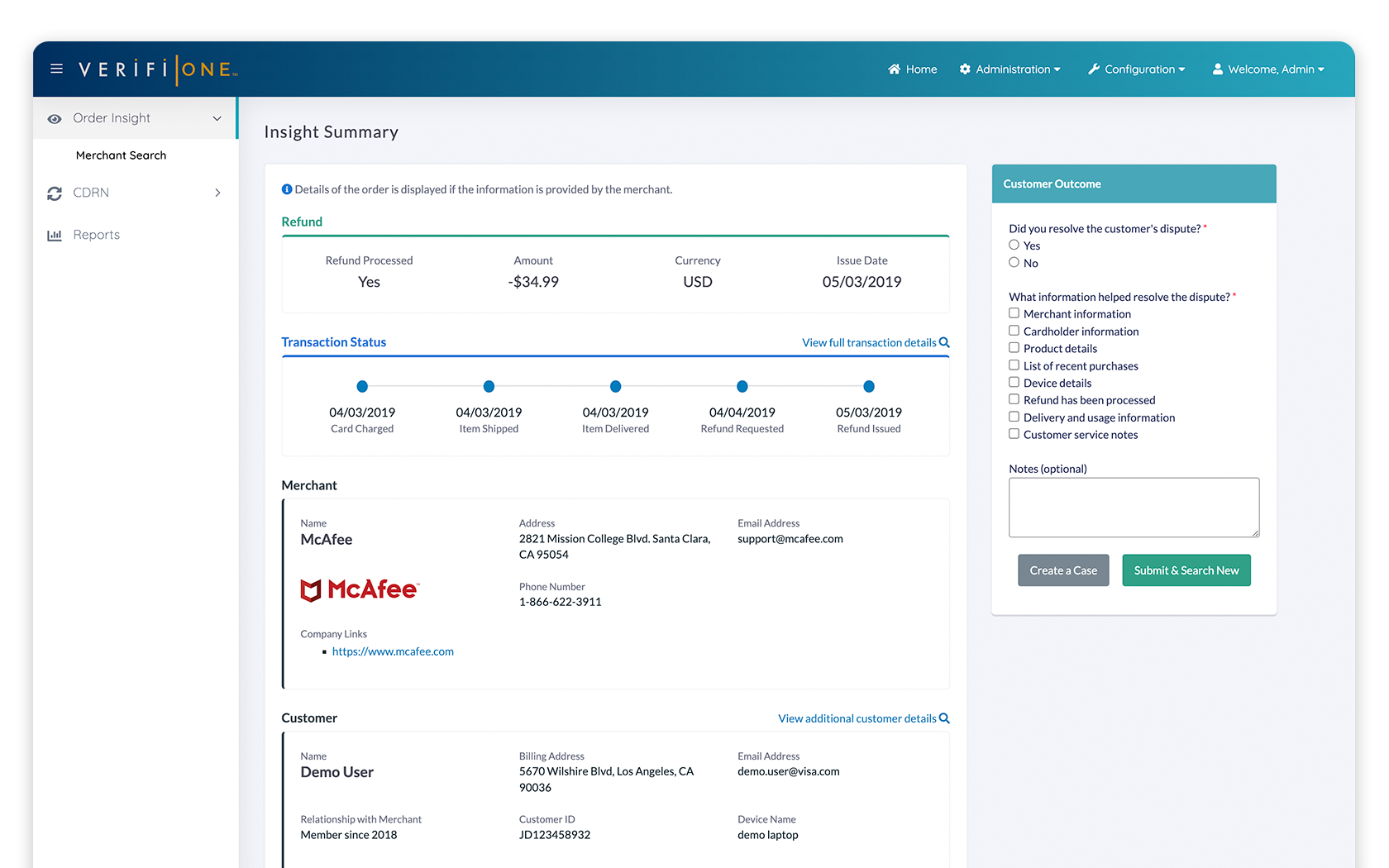
Visa is a global payments technology company that facilitates digital transactions between consumers, merchants, and financial institutions.
Visa Verifi-One is a B2B platform for credit card chargeback management and dispute resolution, connecting merchants and card issuers to proactively reduce chargebacks and solve payment issues.
My primary focus was on UI/UX design, prototyping, and developing a documented design system repository.
Visa's Cybersecurity & Fraud division, through Verifi, has acquired various companies over the years, each of their products targeting different stages of the credit card chargeback and dispute process. However, the challenge was managing multiple separate applications with different user accounts, complex data flow, and overlapping features became increasingly difficult for both clients and the company.
To streamline the user experience and introduce more advanced features, the company decided to consolidate all of these products into a single web platform called Verifi-One. For this project, there were several objectives in mind:
For this project, I collaborated with a UX researcher who focused more on the research and usability test phases, while I focused more on the design and development. Together with the product team, we conducted a comprehensive content inventory of each web application, cataloging all pages, features, and interactions. This helped identify redundancies, gaps, and areas for improvement, forming the basis for Verifi-One. For example, three web apps had a "Dispute Tools" option in their navigation menus, each with different functionalities. Understanding the purpose of each version was essential to determine how to merge them into Verifi-One.
To refine the organizational structure, we conducted a card sorting workshop with both internal teams and local clients. This collaborative activity revealed how users instinctively grouped content and interacted with features, offering valuable insights into how the new web platform should be organized. The feedback we received helped clarify user expectations and guided our decisions on the most effective structure.
Additionally, we interviewed internal stakeholders and clients to identify pain points and gather insights into workflows. For example, a client mentioned that one of the web apps they frequently used had pages that were too long, requiring excessive scrolling. In response, I planned to restructure these pages, potentially using tabs to better organize and display the large amount of data.
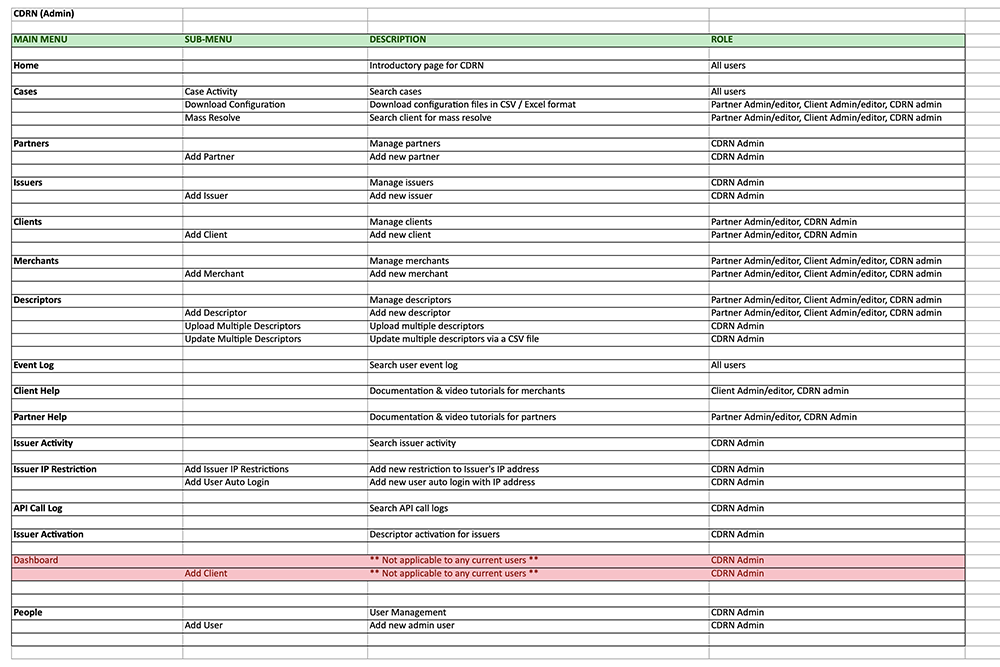
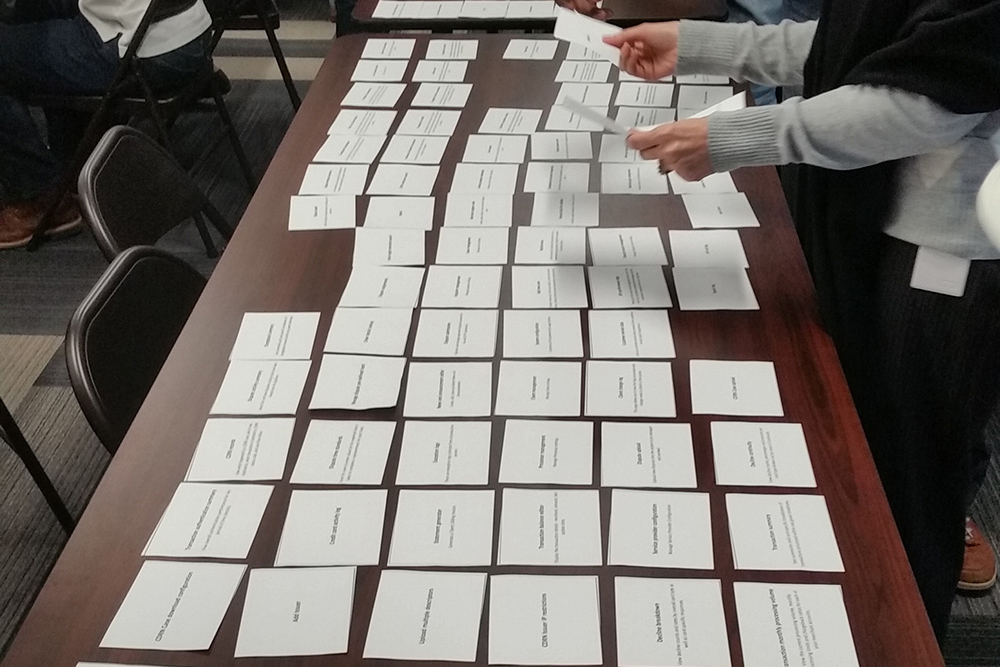
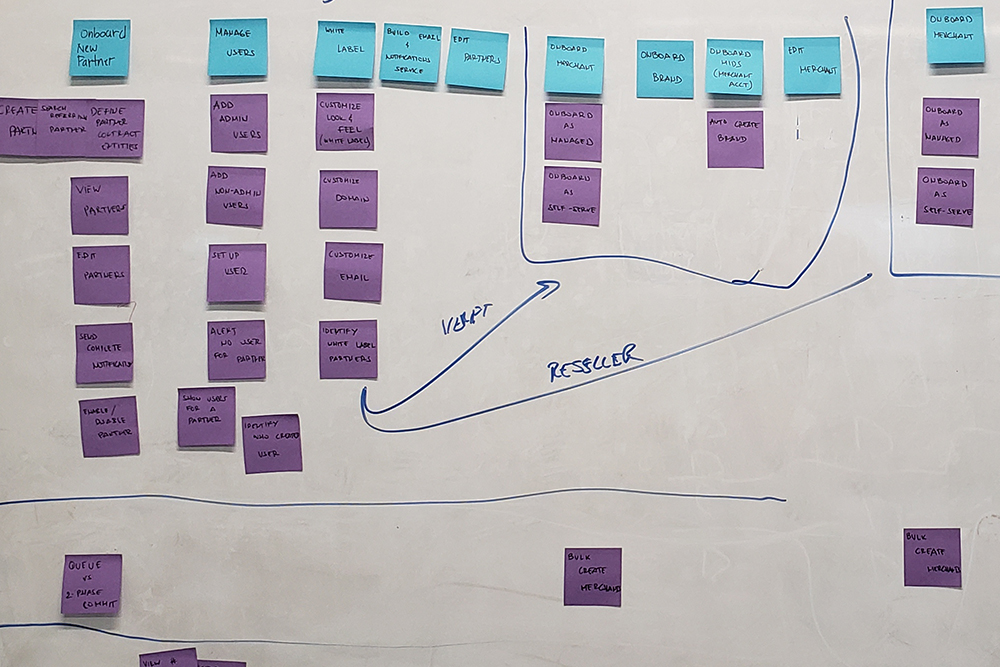
The content inventory and card sorting analysis were key in reshaping the platform’s information architecture and user flow. We identified opportunities for consolidation and simplified navigation, resulting in a user-centered framework that balanced both business goals and user needs. For example, the navigation menu in Verifi-One was designed to dynamically adjust, showing or hiding items based on user roles and workflows.
Drawing from the journey mapping conducted by the UX Researcher, we pinpointed critical touchpoints and tasks. This insight allowed me to first establish a general user flow, then refine it into more detailed flows for each specific feature, such as the onboarding process for new merchants or other user types.
Once the user flows were defined, I moved on to translating them into low-fidelity wireframes, which were progressively developed into high-fidelity mockups. These designs underwent multiple rounds of testing and iteration based on internal reviews and feedback, ensuring both functionality and user-friendliness.
The UX Researcher led and conducted usability testing periodically, either in-house or using UserTesting, depending on the project's features and available resources. Initially, we used moderated testing with static wireframes to gather user feedback. As the project progressed, we transitioned to testing high-fidelity mockups since I had already designed many of the UI components in our design system repository. At times, I created prototypes for testing as well depending on the deadlines.
Occasionally, I also organized design critique sessions where I displayed either wireframes or mockups on the walls for internal stakeholders to review. This setup encouraged valuable feedback and suggestions, as it allowed everyone to better visualize the overall workflows. It was also particularly useful for identifying design consistency issues and fostering collaborative problem-solving. In one meeting, I remembered someone pointing out the inconsistent wording for certain buttons across different pages.
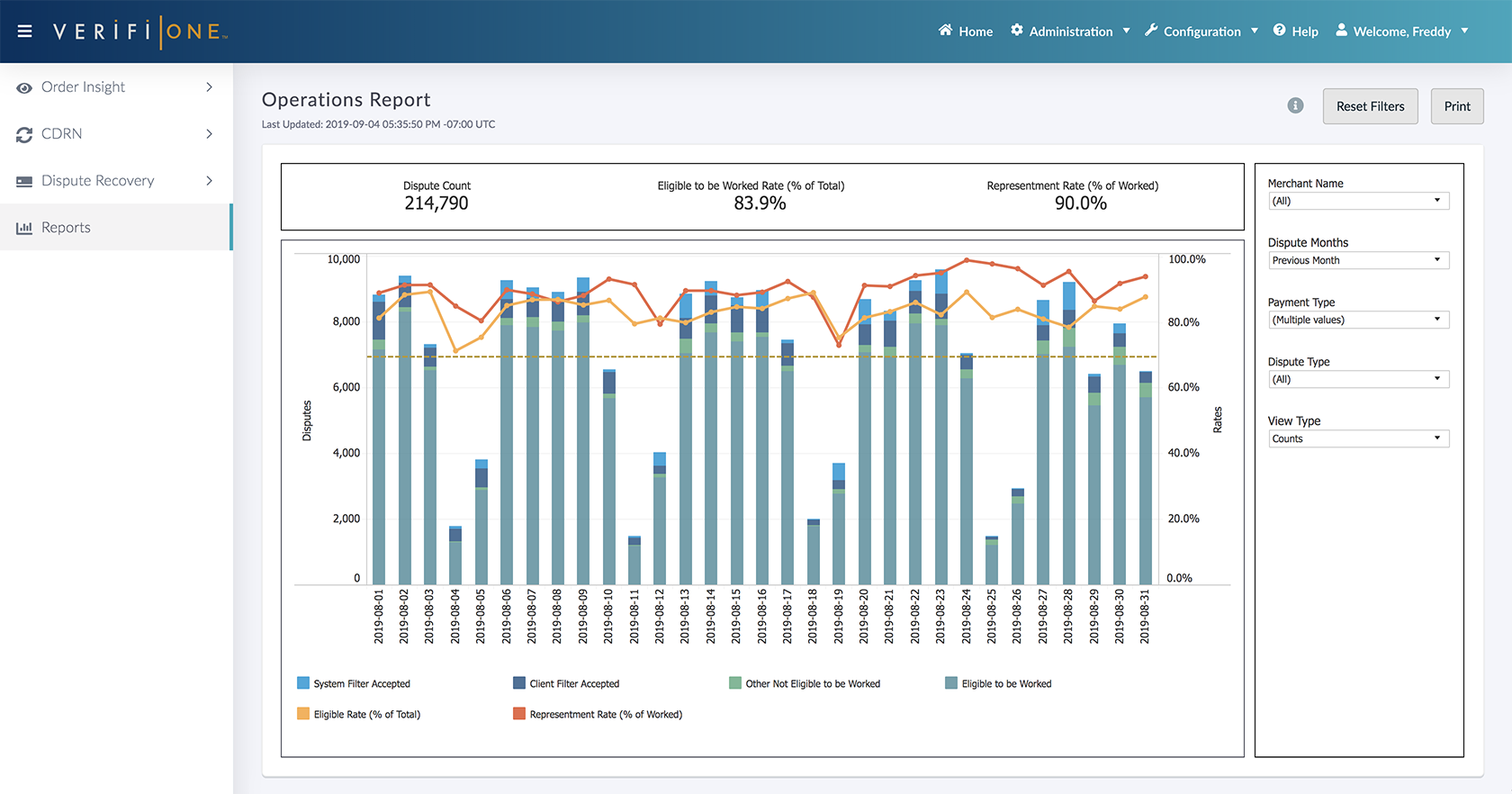
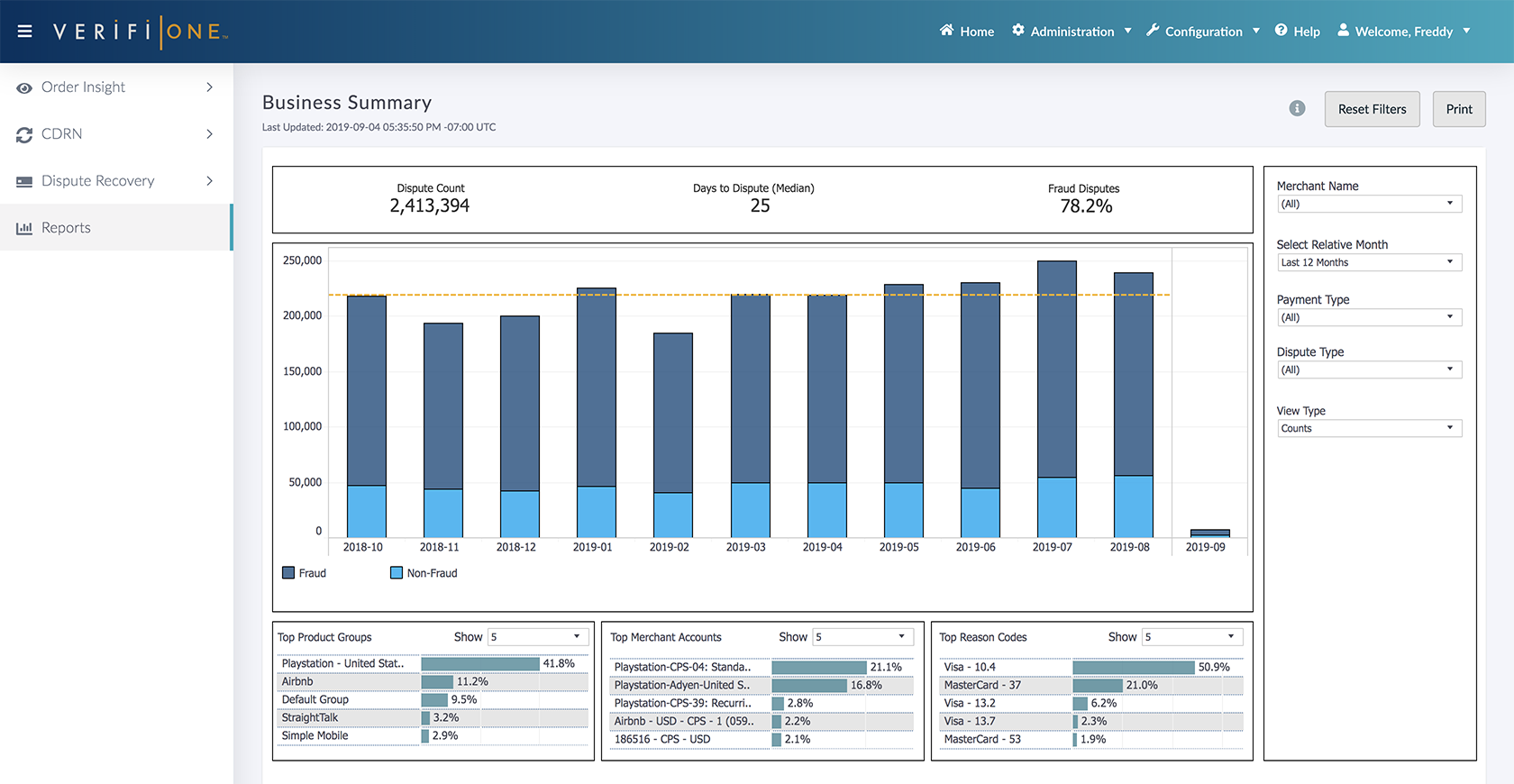
An advanced reporting and data visualization tool always had been one of the most highly requested features for Verifi-One. Instead of developing one from the ground up, we chose to integrate Tableau, leveraging its advanced charting features, seamless data connectivity, and robust filtering options. I worked closely with the data analytics team to design custom report layouts, charts, and color themes, ensuring a unified experience that seamlessly integrated with Verifi-One.
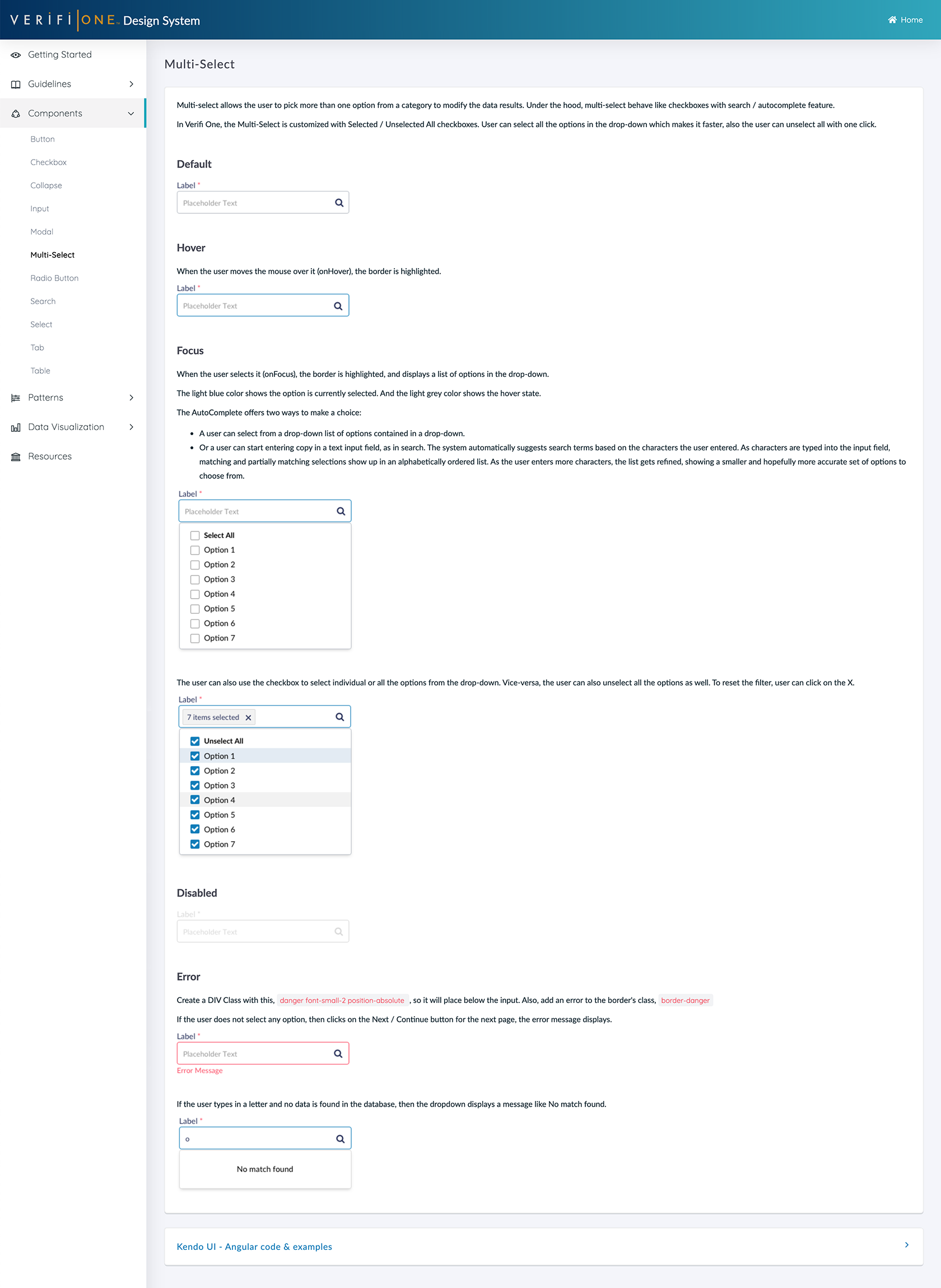
To ensure consistency and foster effective collaboration across seven engineering teams (comprising over 50 full-stack engineers and QA testers), as the sole UI designer, I recommended to develop a comprehensive, documented design system repository for Verifi-One, grounded in atomic design principles. This system served as a unified "shared language," bringing structure and coherence to the user interface across the entire platform.
Initially, the UI was built using Angular and Bootstrap, but as Verifi-One's complexity grew, it became clear that a more scalable UI component library was necessary, such as advanced data tables with filtering. After evaluating options, we chose Telerik Kendo UI as the core component library to accommodate these evolving needs.
I began by designing the initial UI components in Sketch, then worked closely with the engineering team to customize Kendo UI and extend Bootstrap's CSS to match our design vision. All functional UI component examples & codes, along with their detailed documentation, were centralized in the internal design system repository, where each component’s behavior, usage guidelines, and code examples were clearly outlined. This repository quickly became a collaborative hub, enabling teams to efficiently reuse components and ensuring alignment across engineering, design, and QA.
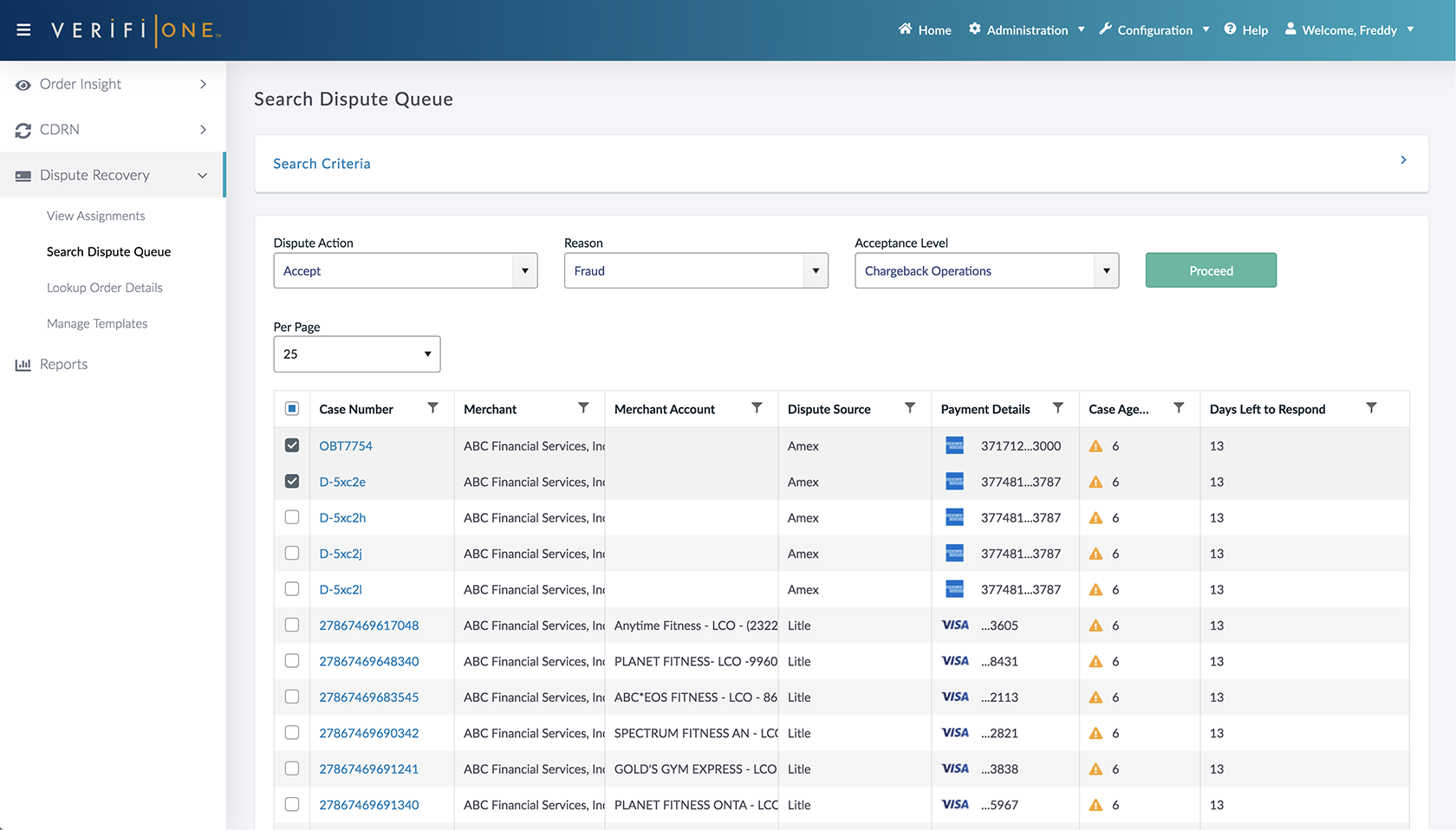
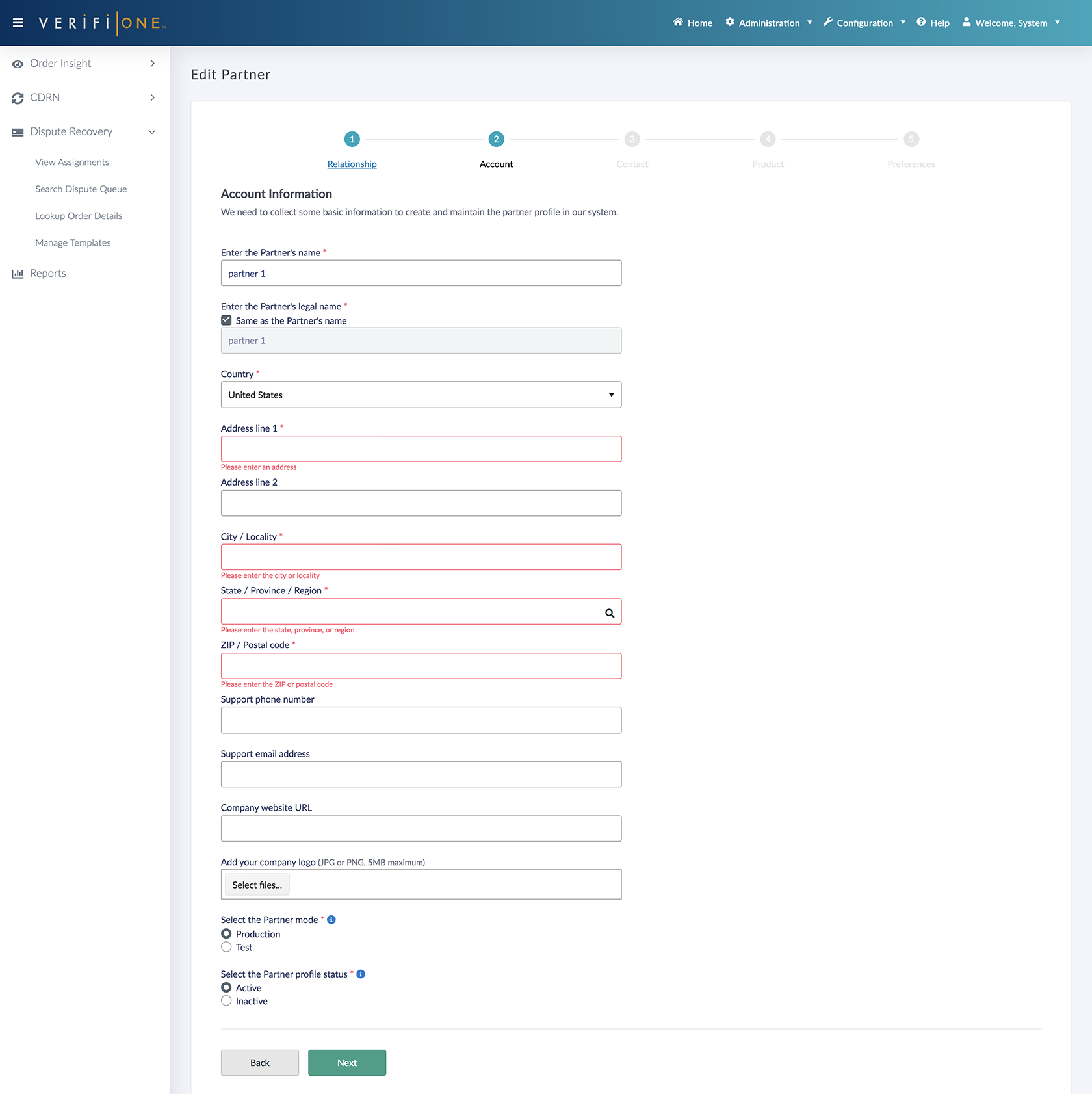
The launch of Verifi-One was a resounding success, despite numerous challenges. The product saw strong adoption from existing clients, with the initial MVP developed and launched within a few months, meeting tight deadlines and exceeding expectations. In the first few months following its launch, Verifi-One experienced exceptional growth, with customer sign-ups more than doubling. High-profile clients such as Airbnb, Shopify, Uber, Expedia, and Google Pay joined the platform, signaling strong market confidence.
Before the launch, the average SUS (System Usability Scale) score for our multiple web applications typically ranged from the low 50s to low 60s. After the MVP launch, we noticed a significant jump to the high 70s, suggesting that many users were clearly satisfied with the all-new Verifi-One platform.
Reflecting on the project, I’m generally satisfied with the final result. This was a complex project, involving coordination across multiple teams and departments. At times, the scale of the project felt overwhelming, but it was an incredibly rewarding experience, and I learned a great deal throughout the process.